


+1 (302) 204-1194

News and Articles

How Artificial Intelligence Is
Reshaping Occupational Health and Safety

AI is increasingly used to predict risks, prevent injuries, and support long-term safety decision-making, while raising important questions about governance, ethics, and worker trust.
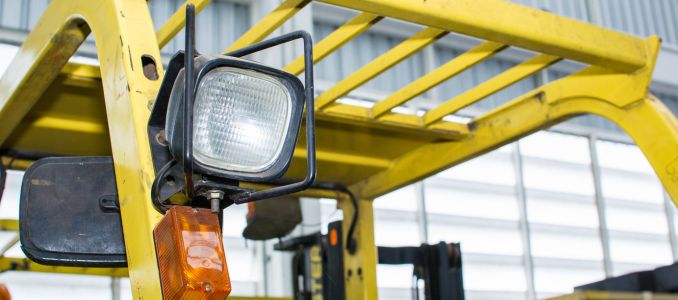

  • Artificial intelligence (AI) is becoming a central tool in occupational health and safety (OHS). It helps organizations shift from an after-the-fact response to early prediction and prevention. This paper analyzes the growing role of AI in detecting risks, preventing injuries, supporting long-term risk management, and addressing ethical challenges related to privacy, fairness, and worker trust. Drawing on case studies from manufacturing, construction, mining, logistics, agriculture, healthcare, and energy, the paper shows how AI-enabled approaches can improve worker health and safety outcomes, reduce incident rates, and enhance organizational decision-making. The analysis highlights practical limitations, including data quality concerns and the danger of overreliance on automation. The conclusion argues that AI works best when paired with a strong safety culture, engaged management, transparent governance, and direct worker participation.
  • Across industries, employers are using AI to understand ergonomic strain, detect hazardous environmental conditions, predict equipment breakdowns, and analyze long-term exposure risks. When applied responsibly, AI enhances—not replaces—human judgment by giving workers and managers clearer visibility into how risks evolve
  • AI enables early identification of patterns that precede accidents, injuries, and chronic exposure problems.
  • AI can detect risk signals within large datasets—for example, linking shift patterns with injury and illness types or identifying environmental conditions associated with higher incident rates.
  • Predicting risk is only half the challenge. AI can also intervene during work to prevent injuries before they occur.
  • AI’s long-term value lies in its ability to reveal chronic risks and inform strategic decisions.
  • AI promises major benefits but raises serious questions.

AI and Smart Lighting Are Transforming
Forklift Safety in Modern Warehouses

As facilities strive for greater efficiency and stronger safety compliance, AI-powered cameras, predictive alerts, and advanced forklift lighting systems are transforming visibility, reducing near misses, and enabling a proactive, data-driven approach to pedestrian and equipment safety.
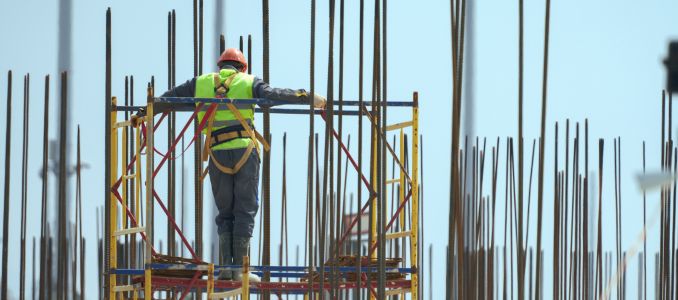

  • How often do warehouse teams experience near misses that never make it into incident logs? How frequently do forklifts and pedestrians unintentionally cross paths in narrow aisles? These questions are becoming increasingly critical as UK warehouses operate at higher speeds, tighter turnaround times, and under stricter HSE expectations.
  • In both the UK and the US, forklift-related incidents remain a leading cause of warehouse injuries. While facility layouts differ—US warehouses typically cover larger footprints, while UK sites operate in more constrained spaces—the underlying challenge is the same: hazards can’t be avoided if they aren’t visible.
  • Modern AI-powered cameras analyse live video feeds in real time, identifying unsafe conditions as they occur. Rather than simply recording footage, these systems interpret activity—detecting pedestrians entering danger zones, monitoring forklift speeds, and identifying movement in blind spots well before operators are aware.
  • Leading warehouses are no longer choosing between AI cameras and safety lighting systems; instead, they are integrating both into unified, data-driven safety ecosystems that enhance visibility and reduce risk.
  • Certain environments—such as fuel storage areas, chemical warehouses, paint facilities, and manufacturing sites—demand an even higher level of protection. In these settings, standard cameras can present serious risks when exposed to flammable gases, vapours, or combustible dust.

    This is where explosion-proof forklift cameras become essential. ATEX-certified systems provide reliable visibility in hazardous zones while preventing internal sparks or electrical discharge from becoming ignition sources.

    In the US, facilities operating under NEC and NFPA requirements rely on comparable explosion-proof classifications, making this technology a shared safety necessity across both markets.

Five Safety Technology Shifts for
Lone Workers in 2026

As digital safety tools take on a central role in occupational health, organizations are re-evaluating how they safeguard lone and vulnerable workers—through increased automation, smarter communication, adaptable protocols, and stronger safety cultures.
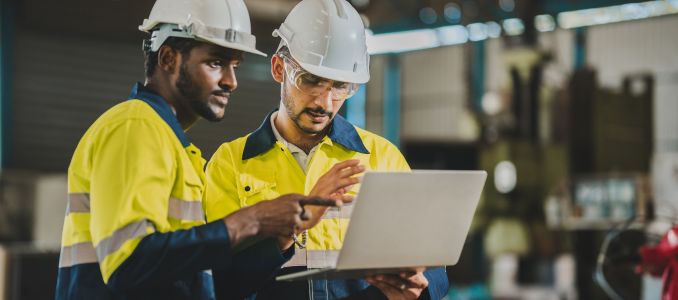

  • 2025 marked a turning point for digital safety. The International Labour Organization released a landmark report recognizing digital tools—including artificial intelligence, robotics, wearables, and sensor technologies—as essential components of modern occupational safety, rather than optional support systems. At the same time, governments began responding with forward-looking legislation, such as Senate Bill 53, the Transparency in Frontier Artificial Intelligence Act (TFAIA), aimed at addressing the significant safety risks associated with widespread AI adoption and dependence.
  • Looking ahead, 2026 could prove even more transformative. The year is poised to bring major advancements in safety, particularly for vulnerable and lone workers who operate without immediate access to assistance. These workers are increasingly spread across diverse industries, including utilities, home healthcare, social services, and field engineering. Without nearby colleagues to rely on during emergencies, lone workers depend heavily on safety technologies to remain connected and protected. As 2026 approaches, remote and at-risk workers may experience five key shifts in occupational safety that will reshape how they interact with—and perceive—their everyday devices and technologies.

Labor Department Launches Apprenticeship Initiative
for Advanced Manufacturing Jobs

The new federal program is designed to expand registered apprenticeships in advanced manufacturing, enhancing workforce development while promoting safer performance in safety-critical roles.
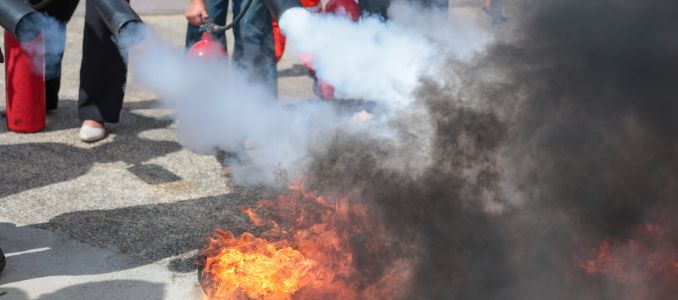

  • The U.S. Department of Labor has announced a new federal initiative to expand registered apprenticeship programs in advanced manufacturing, a move officials say will strengthen workforce development and promote safer performance in high-risk industries.
  • Launched through the department’s Employment and Training Administration, the program encourages employers to create and scale apprenticeship pathways that prepare workers for skilled manufacturing roles. These positions often involve complex equipment, hazardous materials, and safety-critical tasks where comprehensive training is essential.
  • Labor officials said the initiative will prioritize broader access to structured, competency-based training that blends paid, hands-on learning with classroom instruction. Core elements of these apprenticeships typically include safety fundamentals, hazard identification, and regulatory awareness.
  • From an occupational safety and health standpoint, expanding apprenticeship opportunities can help reduce incidents by ensuring workers receive consistent, standardized training before engaging in high-risk activities. Manufacturing remains among the nation’s more hazardous sectors, with training gaps frequently cited as a contributing factor to injuries and near misses.
  • The department said the effort also aims to strengthen the manufacturing talent pipeline while supporting safer, more resilient workplaces. Participating employers will be encouraged to align training programs with industry best practices and evolving safety standards.
  • Officials described the initiative as part of a broader strategy to invest in workforce development while reinforcing protections for workers entering demanding industrial environments.

NFPA Opens 2026 Wildfire Preparedness Funding

The new federal program aims to expand registered apprenticeships in advanced manufacturing, strengthening workforce development while supporting safer performance in safety-critical roles.
  • The National Fire Protection Association (NFPA) has opened applications for project funding tied to its 2026 Wildfire Community Preparedness Day, creating new opportunities for organizations to address wildfire risks that increasingly threaten workers, facilities, and operations across the United States.
  • Wildfires are no longer isolated or seasonal events. Longer fire seasons, rising temperatures, and continued development in wildland–urban interface areas have expanded risk exposure for workers in construction, utilities, transportation, agriculture, emergency response, and manufacturing. Employers in fire-prone regions face growing pressure to strengthen preparedness efforts that protect employees while sustaining operational continuity.
  • NFPA’s Wildfire Community Preparedness Day program provides funding and resources for locally led projects focused on mitigation, education, and planning to reduce wildfire risks. Supported efforts may include vegetation management, defensible space creation, evacuation planning, fire-resistant retrofits, and training initiatives. While community-based, many of these activities directly support workplace safety obligations.
  • For employers, wildfire hazards extend beyond direct fire exposure. Outdoor workers face elevated risks from heat stress and smoke-related respiratory issues, while indoor employees may be affected by degraded air quality if facilities are not adequately protected. Critical infrastructure personnel—such as utility crews and emergency responders—may also be required to operate in high-risk conditions during response and recovery efforts.
  • The NFPA program emphasizes proactive risk reduction rather than reactive response, an approach closely aligned with modern occupational safety and health principles. Preparedness projects funded through the program can help organizations identify vulnerabilities, strengthen emergency action plans, and improve coordination with local fire departments and emergency management agencies.

A Shifting Landscape:
The Importance of a Safety Management Partner

OH&S Editor Sydny Shepard sits down with Wesco’s Ines Sira to discuss how safety professionals can stay current with new technologies and innovations.

  • The shape of safety is changing. As a leader in the safety business, Wesco has been helping companies and organizations shift with the evolving landscape for decades.
  • In this podcast episode, OH&S Editor Sydny Shepard sits down with Wesco’s Ines Sira to discuss how safety professionals can stay current with new technologies and innovations as well as how learning to keep safety at the front of your business can help to drive an engaging and effective corporate culture.
  • Download or stream this episode today at Apple Podcasts, Google Podcasts, Stitcher, Spotify and more.
  • A special thank you to Wesco International.
  • Wesco builds, connects, powers and protects the world. Delivering ingenuity and expertise to approximately 140,000 customers worldwide, we help your business run smoothly by providing solutions that can increase profitability, improve productivity and mitigate risk. With nearly 1.5 million products and locations in more than 50 countries, Wesco is your partner in progress. Learn more at wesco.com/safety.

OSHA Cites Company:
for Multiple Hazards, Proposes $480K in Penalties

Workers were exposed to machine hazards, struck-by hazards and others, OSHA says..


An Ohio company was recently cited for exposing workers to hazards and faces over $480,000 in proposed penalties. According to the press release, OSHA found hazards at a facility in Wapakoneta, Ohio, in February 2022. Workers were exposed to machine hazards from a lack of machine guarding and “amputation, caught-in and struck-by hazards” from a lack of training on lockout/tagout. OSHA cited General Aluminum Mfg. Co. for fall hazards, burn hazards and improper PPE. Citations included one repeat, two willful and 10 serious violations. OSHA proposed penalties of $480,240. Similar violations were noted at other facilities, one just 36 days prior. In January 2022, OSHA inspected the Conneaut facility and cited the location for eight violations and proposed $315,952 in penalties. The company was also cited for other citations in 2021 that lead to proposed penalties of $1,671,738. After a worker was fatally injured at a Ravenna, Ohio, facility in March 2021, OSHA cited the company for 18 willful and 16 serious violations, according to a press release, and placed the company in the Severe Violator Enforcement Program. “General Aluminum’s continued failure to protect its workers is a prime example of why OSHA’s Severe Violator Enforcement Program allows the agency to inspect any facility operated by a company cited for exposing workers to egregious hazards,” said OSHA Regional Administrator William Donovan in Chicago in the press release. “This company repeatedly ignored OSHA and a third-party auditor’s recommendations to improve safety procedures and training, and immediately comply with industry and federal safety standards to demonstrate a commitment to protect workers.”


NSC Partners with Nonprofit
to Help Reduce Workplace Injuries with Technology

NSC and Safetytech Accelerator will work to help reduce the number of musculoskeletal disorders or MSDs.


A new partnership will work to help reduce musculoskeletal disorders (MSDs) in the workplace. According to a press release, the National Safety Council (NSC) MSD Solutions Lab has teamed up with Safetytech Accelerator, a nonprofit, to focus on MSD prevention through “design[ing], build[ing] and run[ing] an open innovation lab to help facilitate the development of next generation MSD prevention technology and create safer workplaces.” Findings will be shared at the 2022 NSC Safety Congress and Expo from September 19-21 in San Diego. MSDs occur when a person performs repetitive motions or overexerts parts of the body. These injuries affect thousands of workers every year. According to the Bureau of Labor Statistics, in 2018, 272,780 cases of MSD caused people to miss work in the private sector. In June 2022, National Safety Month, NSC and other organizations pledged to reduce MSD injuries by 25 percent by 2025. Employers can still sign up for the MSD pledge. To learn more about MSDs, visit our resources or podcast.


Two Ohio Family Dollar
Locations Face Multiple Citations

The proposed penalties for both stores total over $1,200,000.


The two stores, one in Maple Heights and another in Columbus, were recently inspected and cited by OSHA, according to a press release. At the Maple Heights location, an employee reported “unsafe conditions,” and at the Columbus location, an employee filed a complaint about “water leaking through the ceiling causing wet floors and ceiling tiles on the floor,” which lead to the OSHA inspections. The Maple Heights store was cited for one repeat and four willful violations and faces proposed penalties of $685,777. The Columbus store faces one serious, one repeat and four willful violations and proposed penalties of $547,587. The citations at both stores included unclean areas, obstructed exit routes, no “sufficient access and working space…about all electrical equipment,” and lack of easy access to fire extinguishers, according to citations. Family Dollar is owned by Dollar Tree Inc. Family Dollar and Dollar Tree stores across the U.S. employ more than 193,000 workers. Since 2017, violations for Family Dollar and Dollar Tree locations have totaled more than 300. “Family Dollar and Dollar Tree stores have a long and disturbing history of putting profits above employee safety,” said Assistant Secretary for Occupational Safety and Health Doug Parker in the press release. “Time and time again, we find the same violations – blocked or obstructed emergency exits and aisles, boxes of merchandise stacked high or in front of electrical panels and fire extinguishers. Each hazard can lead to a tragedy.”
The Progression of Hand Protection
Guarding Your Most Valuable Tools

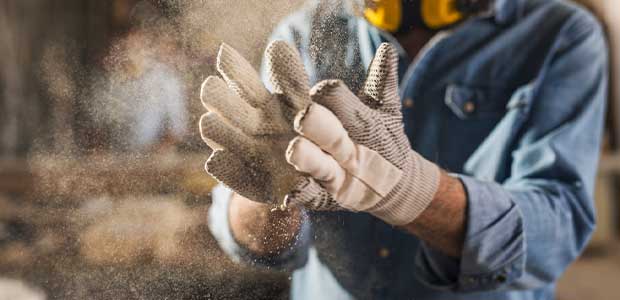
Hand protection has come a long way since the first workers used their hands to operate.


There are many tools that have become invaluable to employees in a variety of industries across the decades, but one could argue that the most important tool to a worker is their hands. It is with these appendages that we are able to push, pick and pull items as well as hold other tools that can help get the job done. It is not surprising that laborers and employees through history took time to create ways to protect and guard hands in an effort to lengthen the amount of time a worker would be viable in the industry. In this issue’s special coverage for our 90th anniversary, OH&S will discuss common injury types, how much hand injuries cost workplaces and the history of hand protection, including the evolution of protective equipment and the advanced technology through the years. It doesn’t matter what your job is, you are most likely at risk of suffering a hand injury. You may be an electrician at risk of flame or shock hazards. Perhaps you are a construction worker at risk of crushing injuries or lacerations. You could even be an office employee who is at risk of carpel tunnel. Despite how common hand injuries can be, workplaces often find they are overlooking hand protection in their safety programs. According to the Bureau of Labor Statistics, one million workers arrive at an emergency department with injuries to the hands each year. What’s more is that seventy percent of workers who experienced a hand injury were not wearing gloves and the other 30 percent had gloves on, but they were damaged or inadequate for the work task. These injuries and oversights are costing both the employee and the employer. Severe injuries like severed fingers and nerve damage could make it nearly impossible for a person to get back to work or even engage in recreational activities that they once loved. For employers, the average hand injury claim exceeds over $25,000 in lost wages and medical costs, according to the National Safety Council.

Two Ohio Family Dollar
Locations Face Multiple Citations

The proposed penalties for both stores total over $1,200,000.


The two stores, one in Maple Heights and another in Columbus, were recently inspected and cited by OSHA, according to a press release. At the Maple Heights location, an employee reported “unsafe conditions,” and at the Columbus location, an employee filed a complaint about “water leaking through the ceiling causing wet floors and ceiling tiles on the floor,” which lead to the OSHA inspections. The Maple Heights store was cited for one repeat and four willful violations and faces proposed penalties of $685,777. The Columbus store faces one serious, one repeat and four willful violations and proposed penalties of $547,587. The citations at both stores included unclean areas, obstructed exit routes, no “sufficient access and working space…about all electrical equipment,” and lack of easy access to fire extinguishers, according to citations. Family Dollar is owned by Dollar Tree Inc. Family Dollar and Dollar Tree stores across the U.S. employ more than 193,000 workers. Since 2017, violations for Family Dollar and Dollar Tree locations have totaled more than 300. “Family Dollar and Dollar Tree stores have a long and disturbing history of putting profits above employee safety,” said Assistant Secretary for Occupational Safety and Health Doug Parker in the press release. “Time and time again, we find the same violations – blocked or obstructed emergency exits and aisles, boxes of merchandise stacked high or in front of electrical panels and fire extinguishers. Each hazard can lead to a tragedy.”

Colorado Site
Recognized With “Star” Status Under VPP

Onward Energy has two other locations in the Voluntary Protections Program.


A Colorado site was recently recognized for its excellence in worker health and safety. OSHA designated Onward Energy, SWG Arapahoe LLC’s Denver, Colorado site a “star” location, according to the press release. This status falls under the Voluntary Protections Program (VPP). Onward Energy has two other sites under the VPP. “Employee engagement is a fundamental requirement of the OSHA Voluntary Protection Program, and the Onward Energy employee safety and health training program and plant safety expert program are excellent examples of the value of employee involvement, empowerment, and ownership. We are happy to recognize another Onward Energy site with a VPP Star,” said OSHA Regional Administrator Jennifer Rous in Denver in the press release. The “star” status is the highest level of recognition under the VPP, which recognizes employers for their work on “safety and health management systems” and few injury and illness reports.